Plus get our latest book recommendations, author news, and competitions right to your inbox.
Table of Contents
About The Book
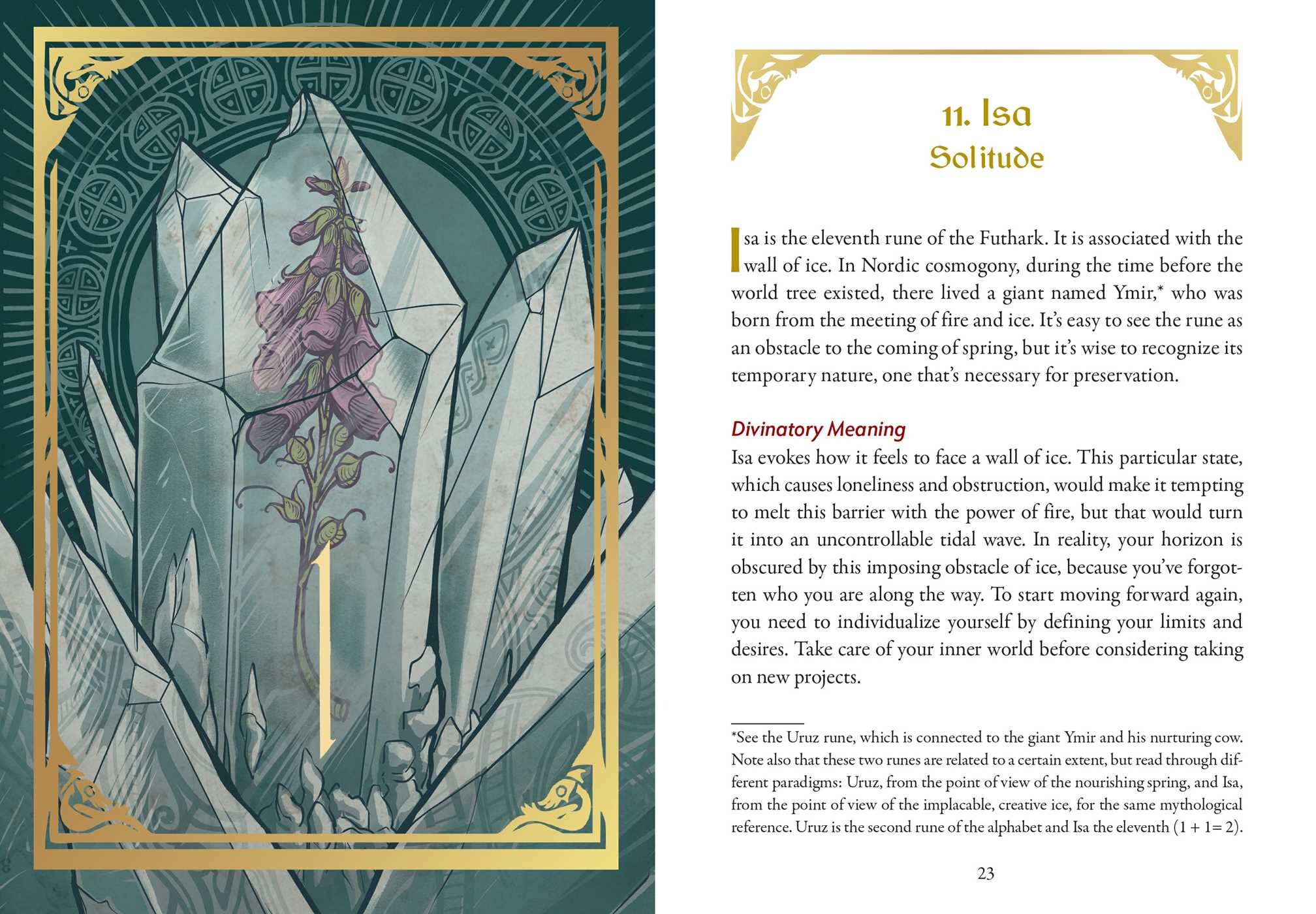
A divination deck inspired by Norse lore
• A full-color 50-card deck that is oriented around the runic alphabet and the Aesir and Vanir deities of the Norse pantheon
• Draws upon the Hávamál and Eddas to give detailed descriptions of the runes, including their origin and meanings
• Gives interpretations for each card, emphasizing their significance for relationships and career advice, and provides rituals and unique card spreads
The runic futharks contain the secret wisdom of the pre-Christian cultures of northern Europe. While the runes have been used as letters in Norse writing systems, they also hold deeper significance as symbols of the mysteries and tools of divinatory and magical practice.
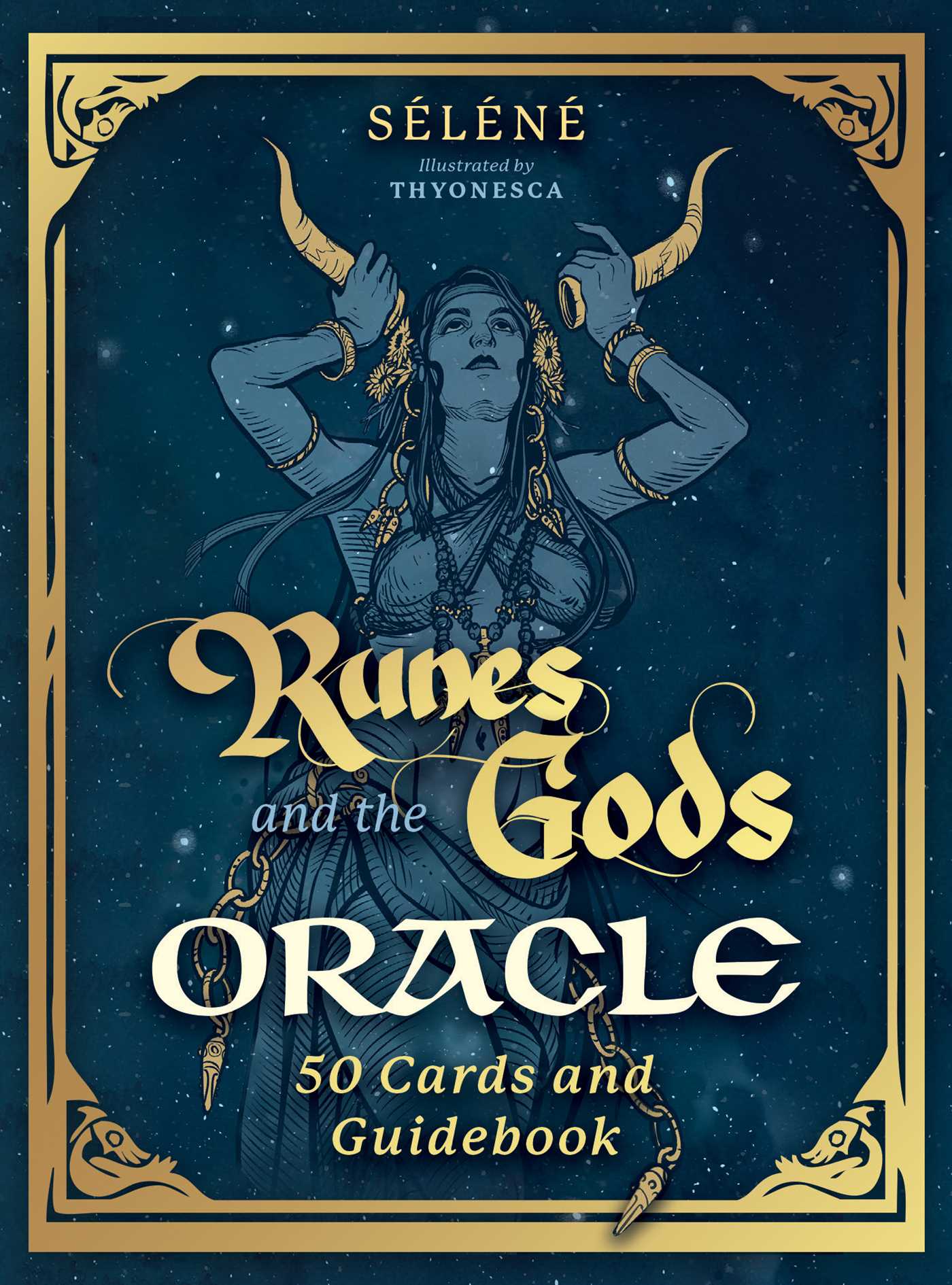
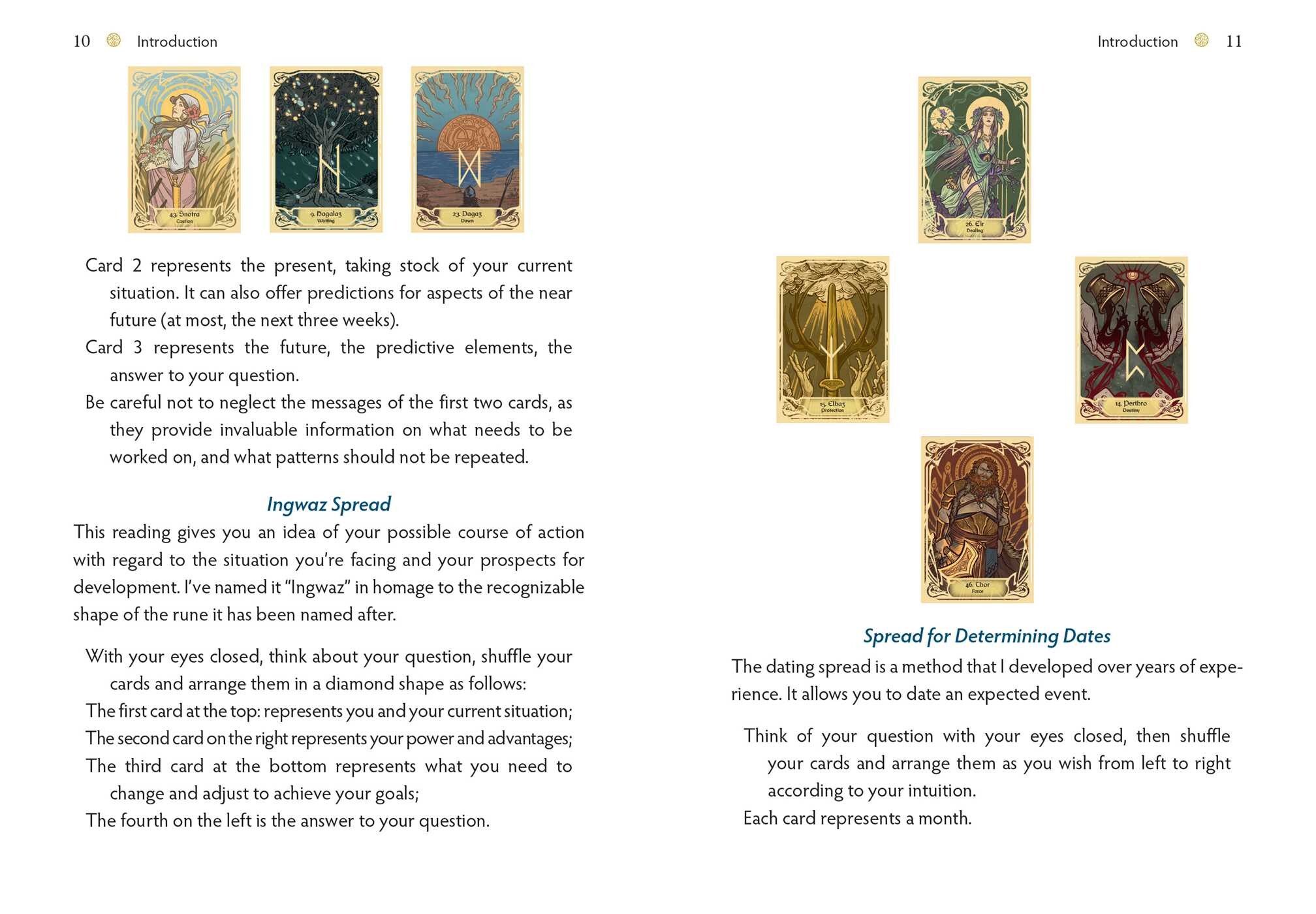
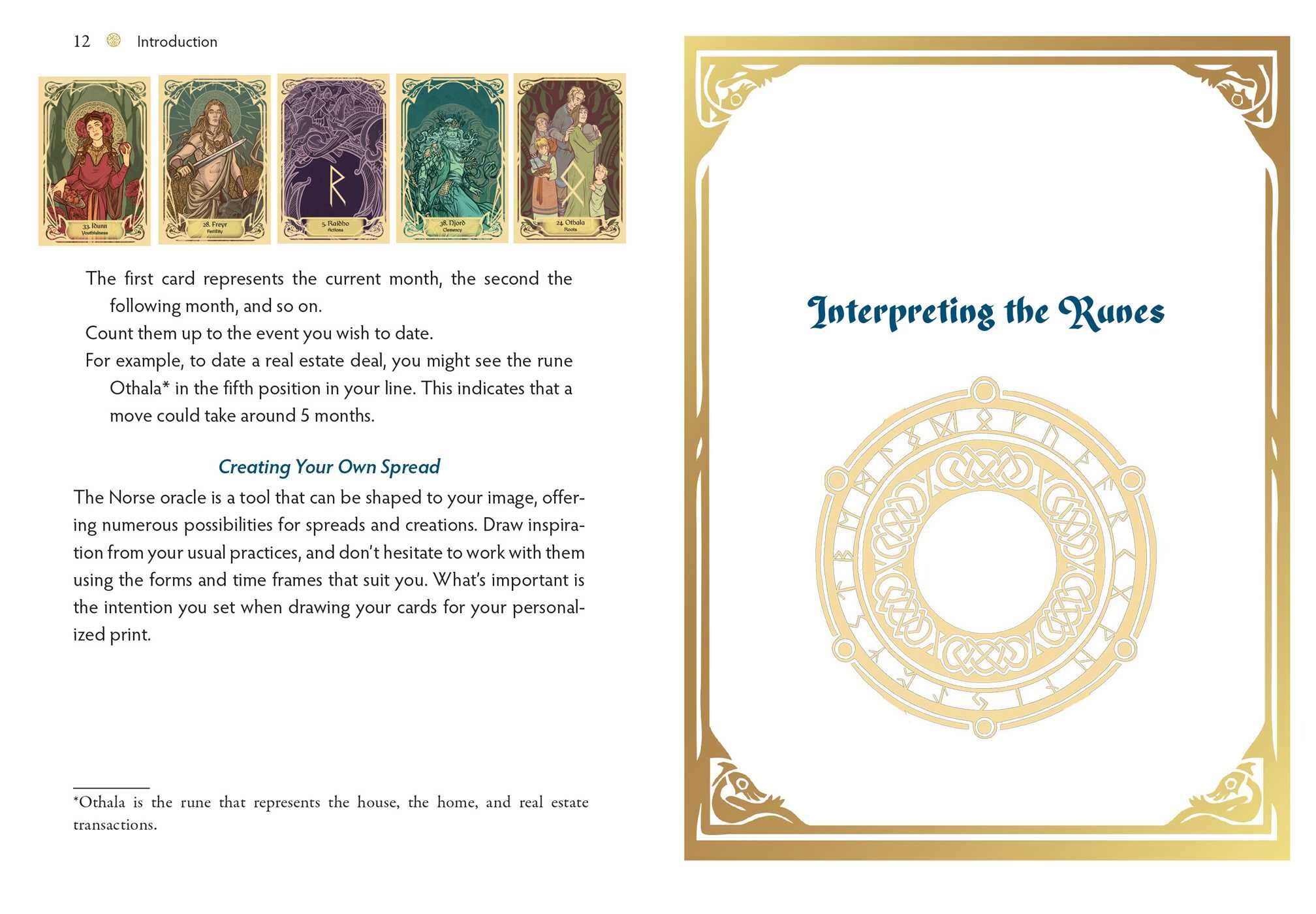
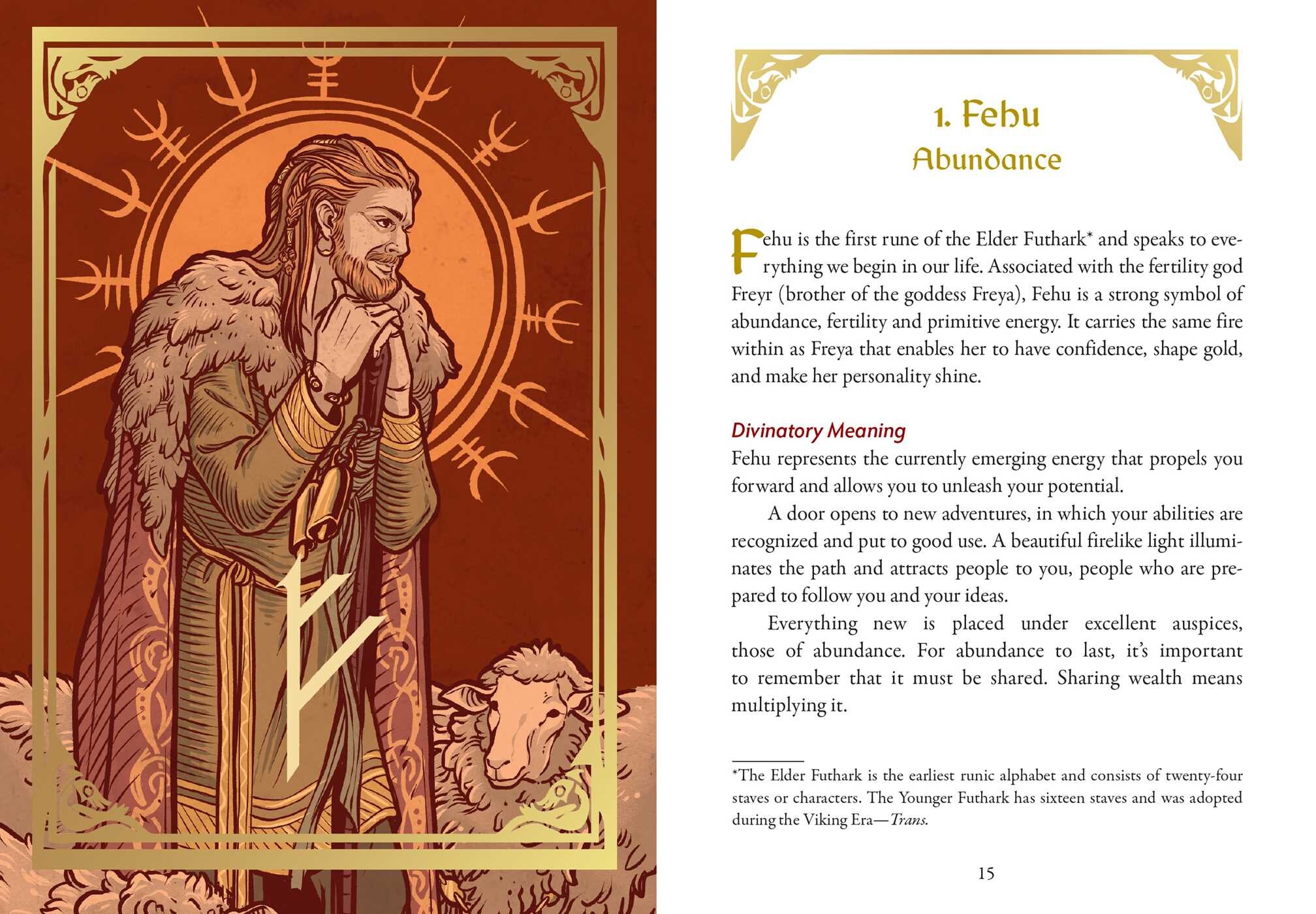
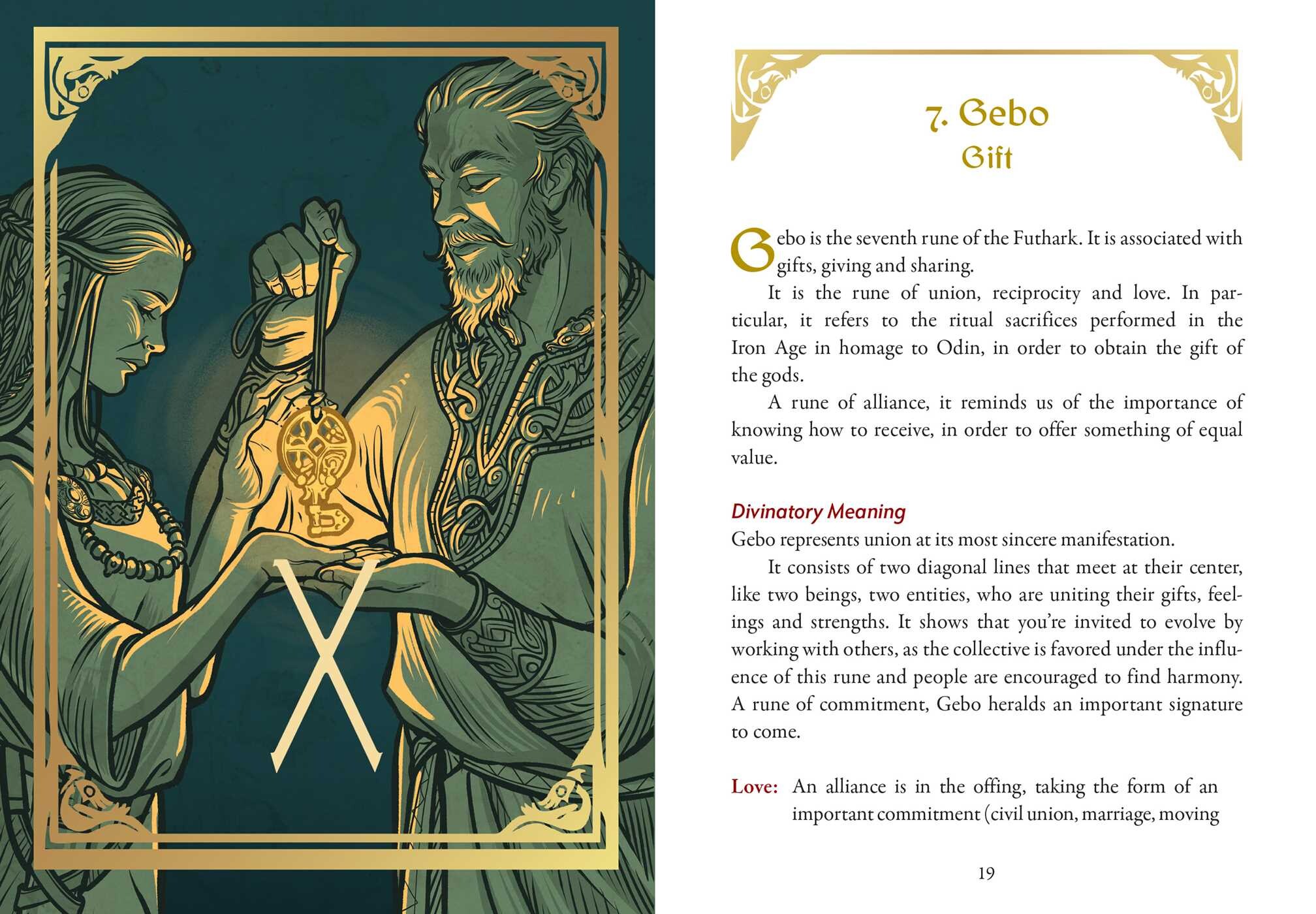
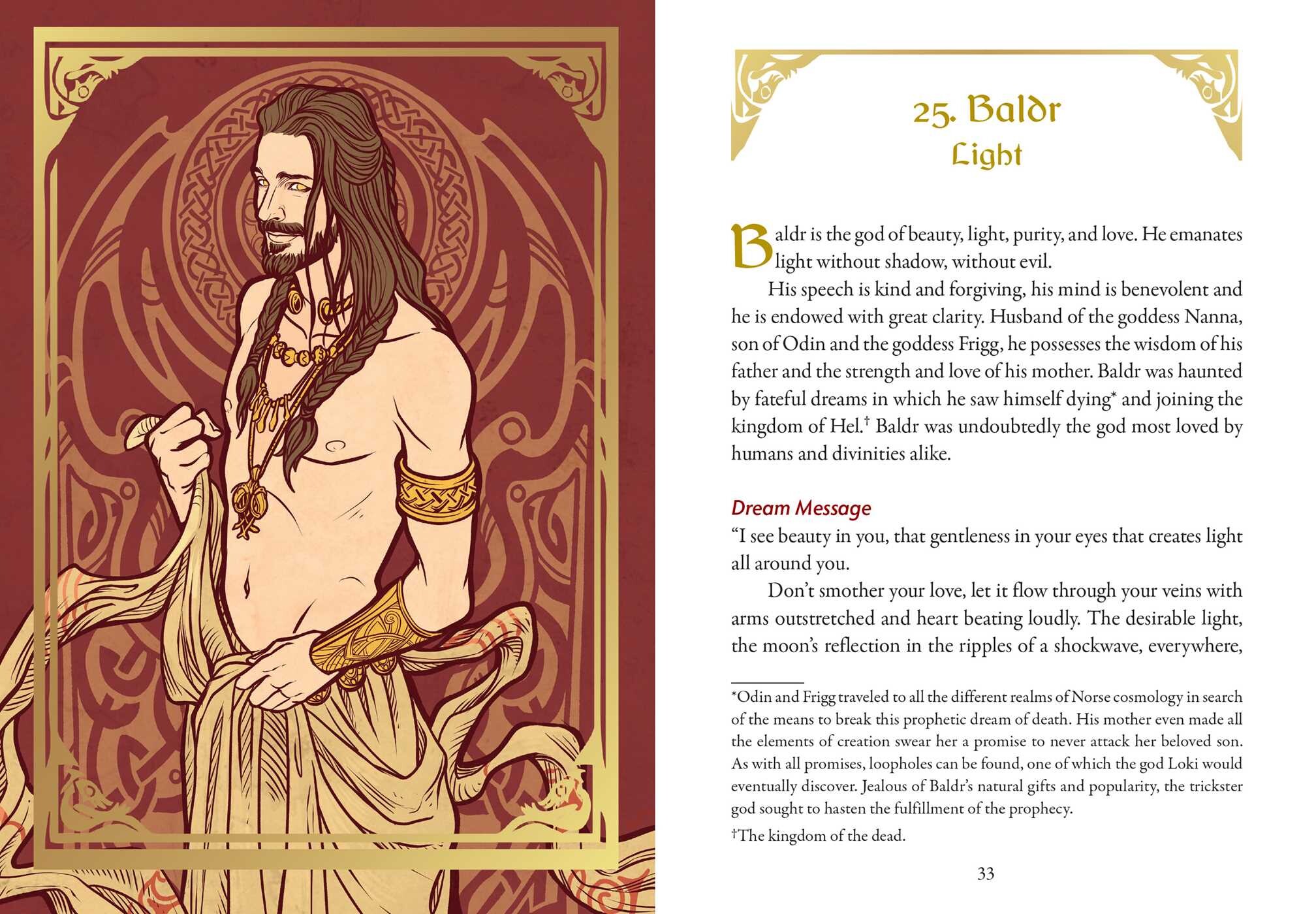
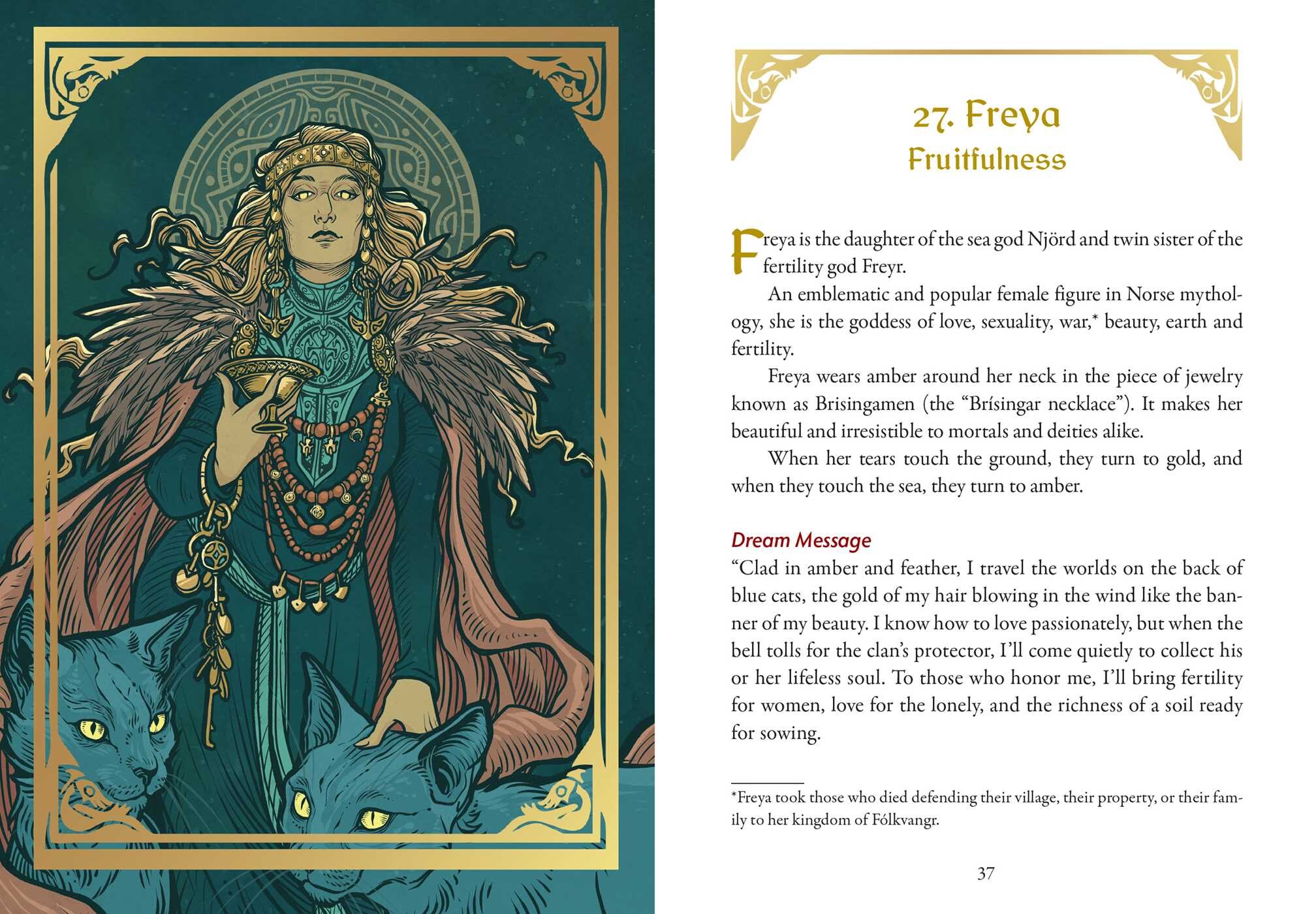
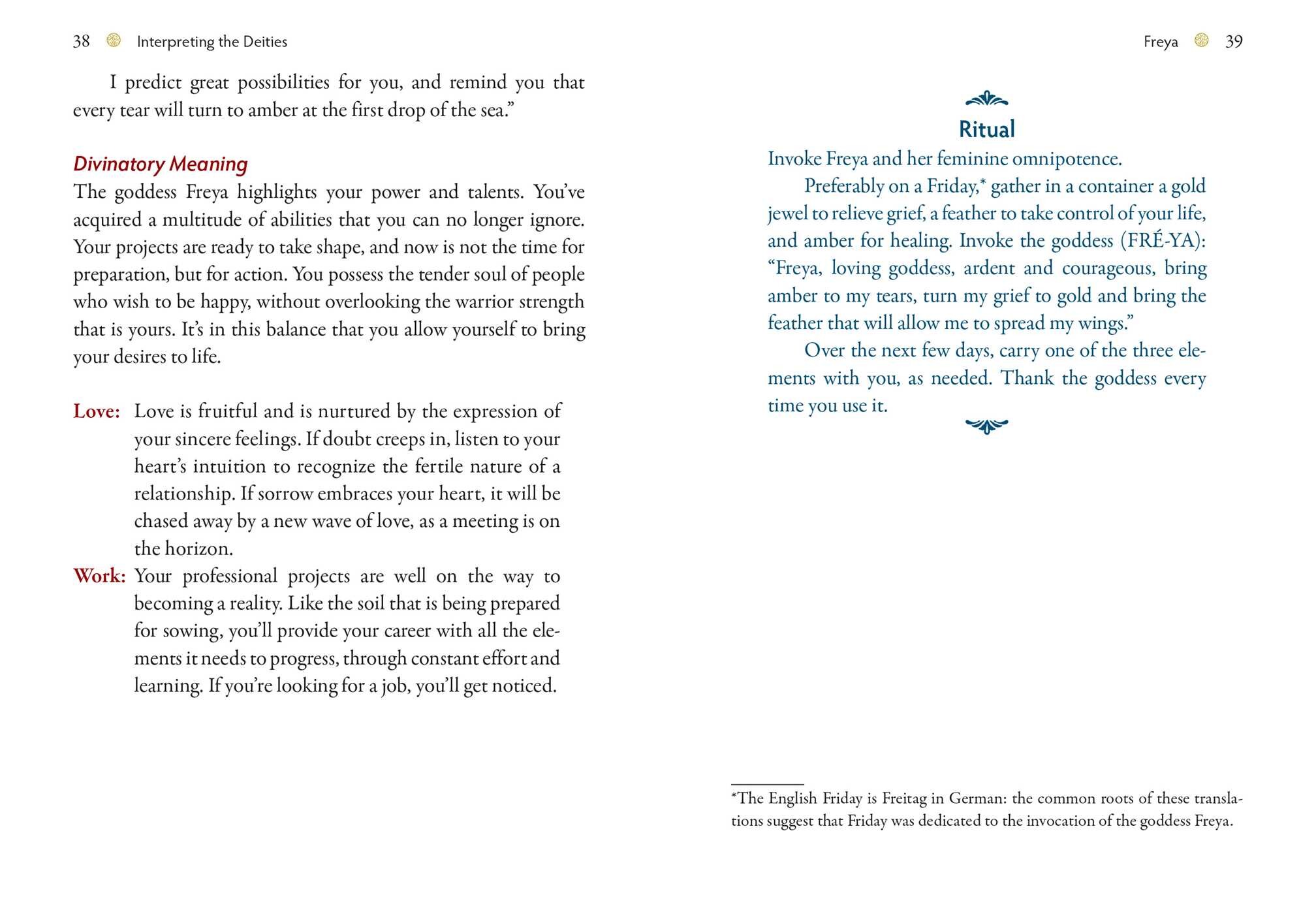
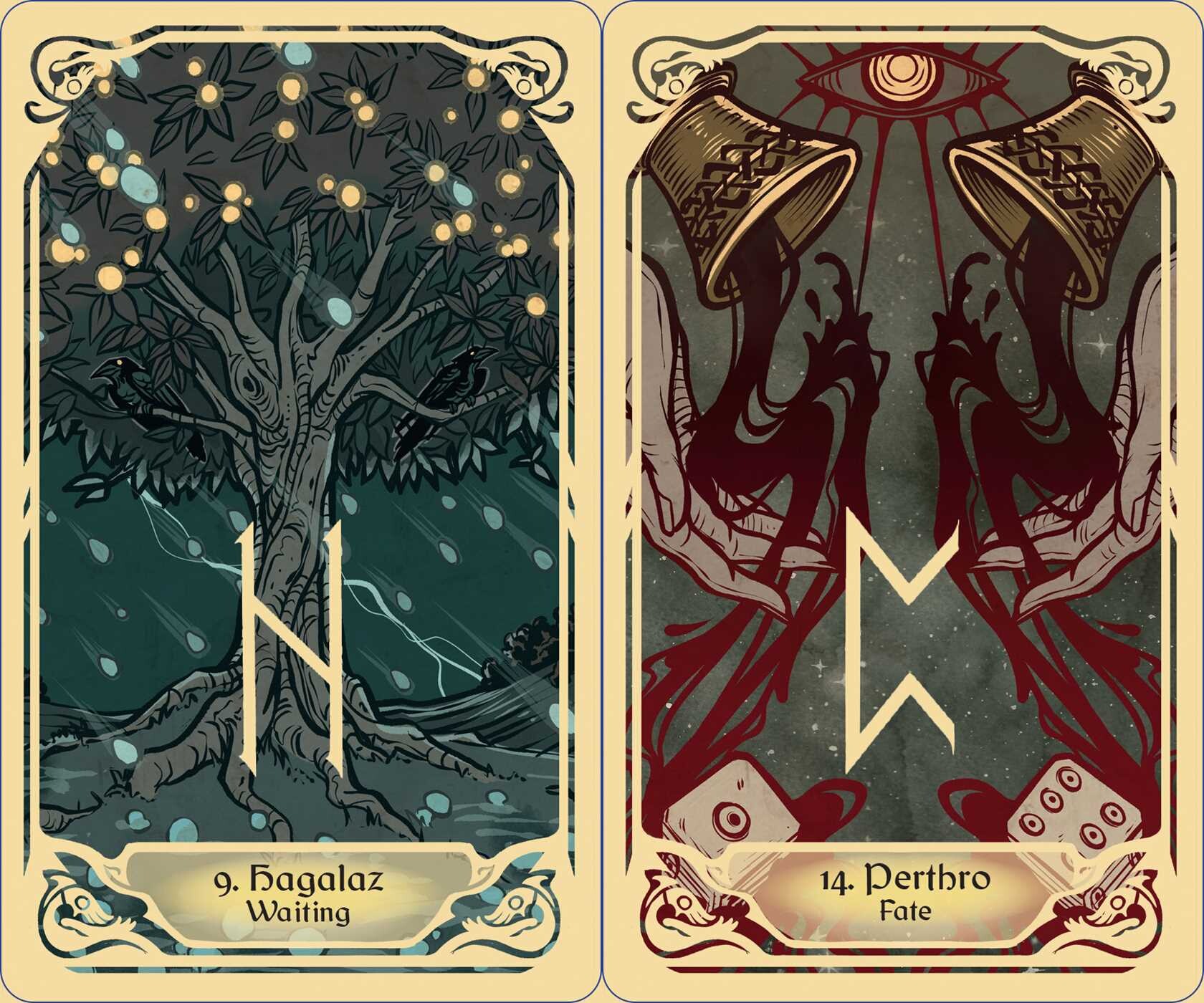
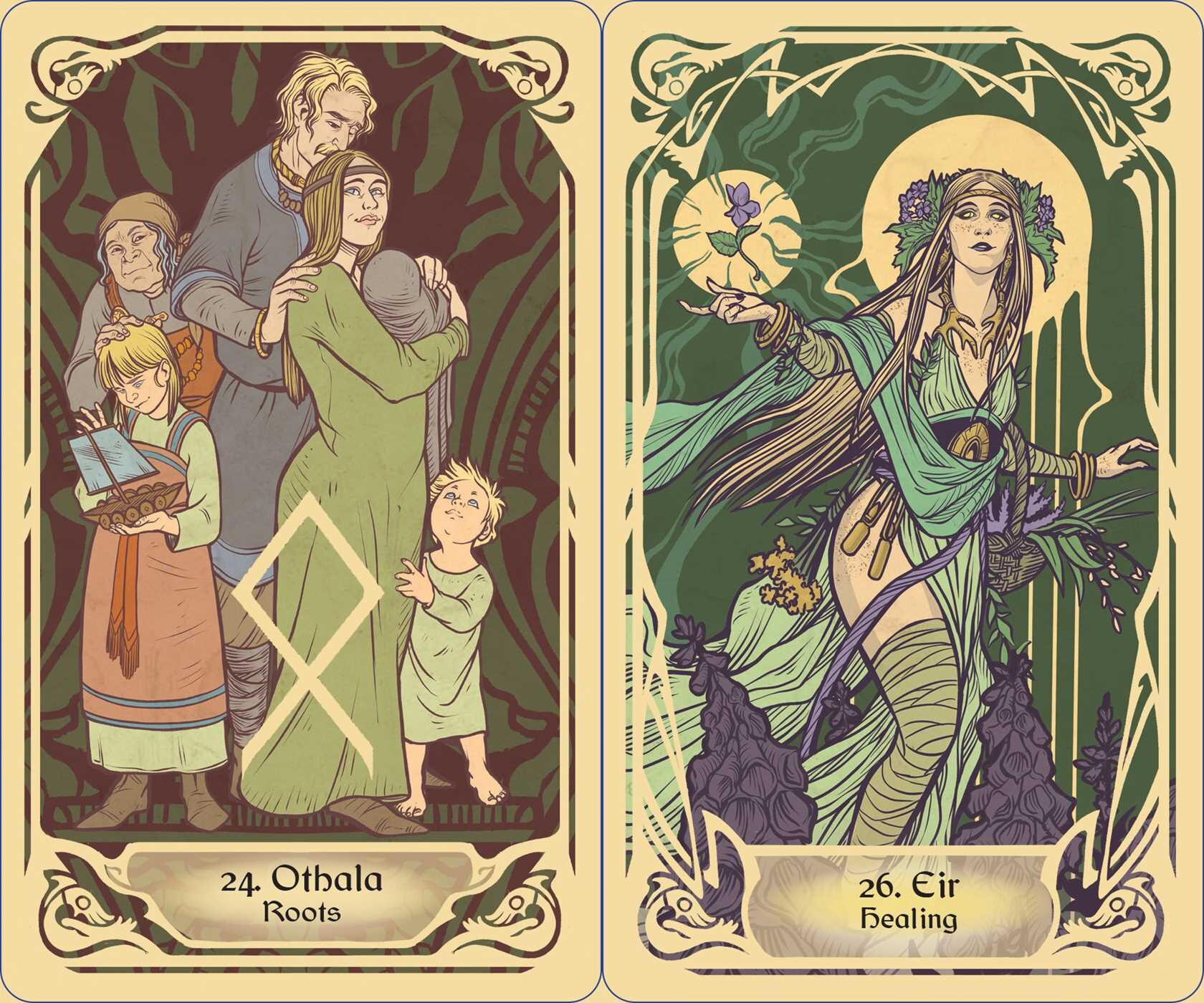
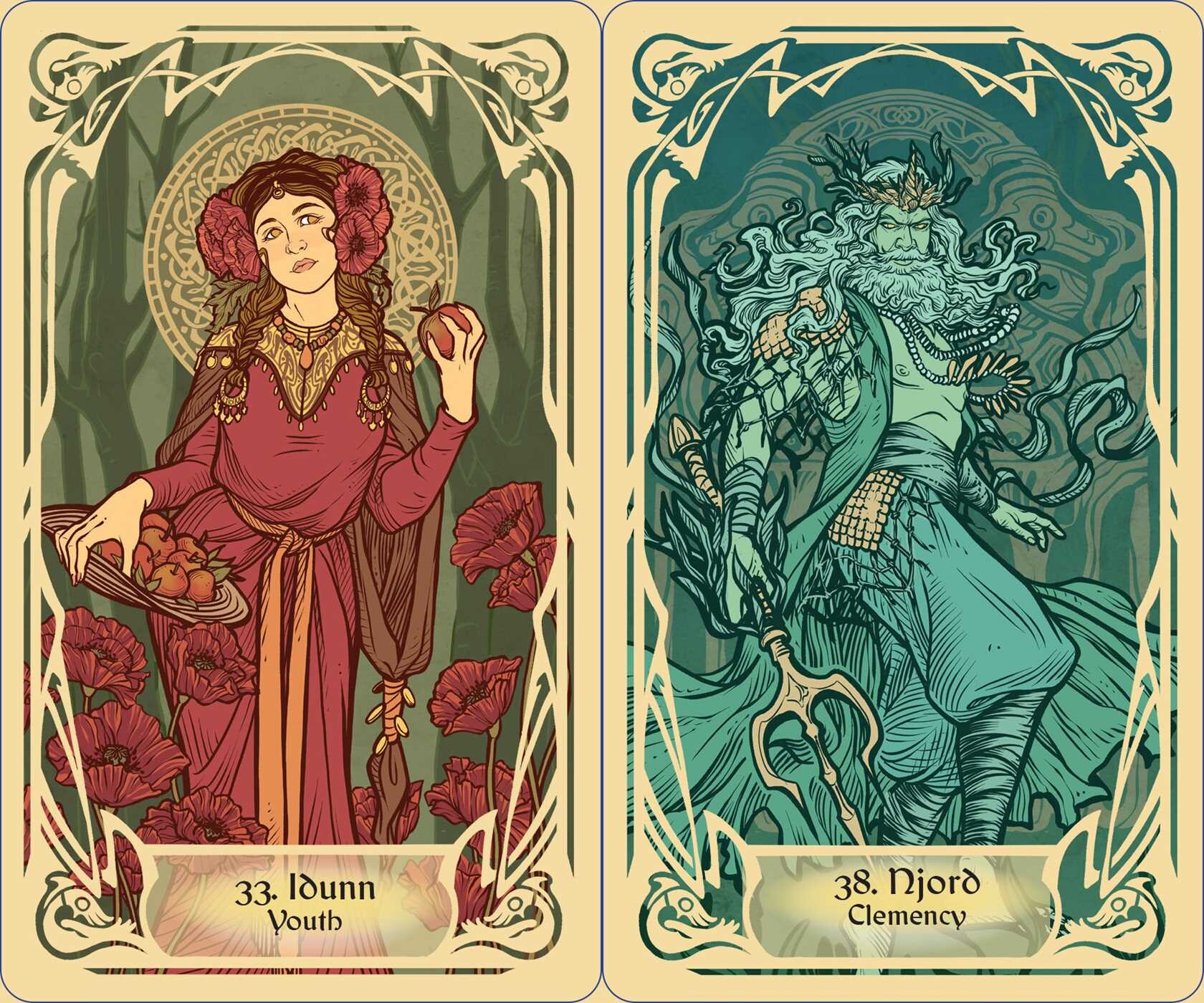
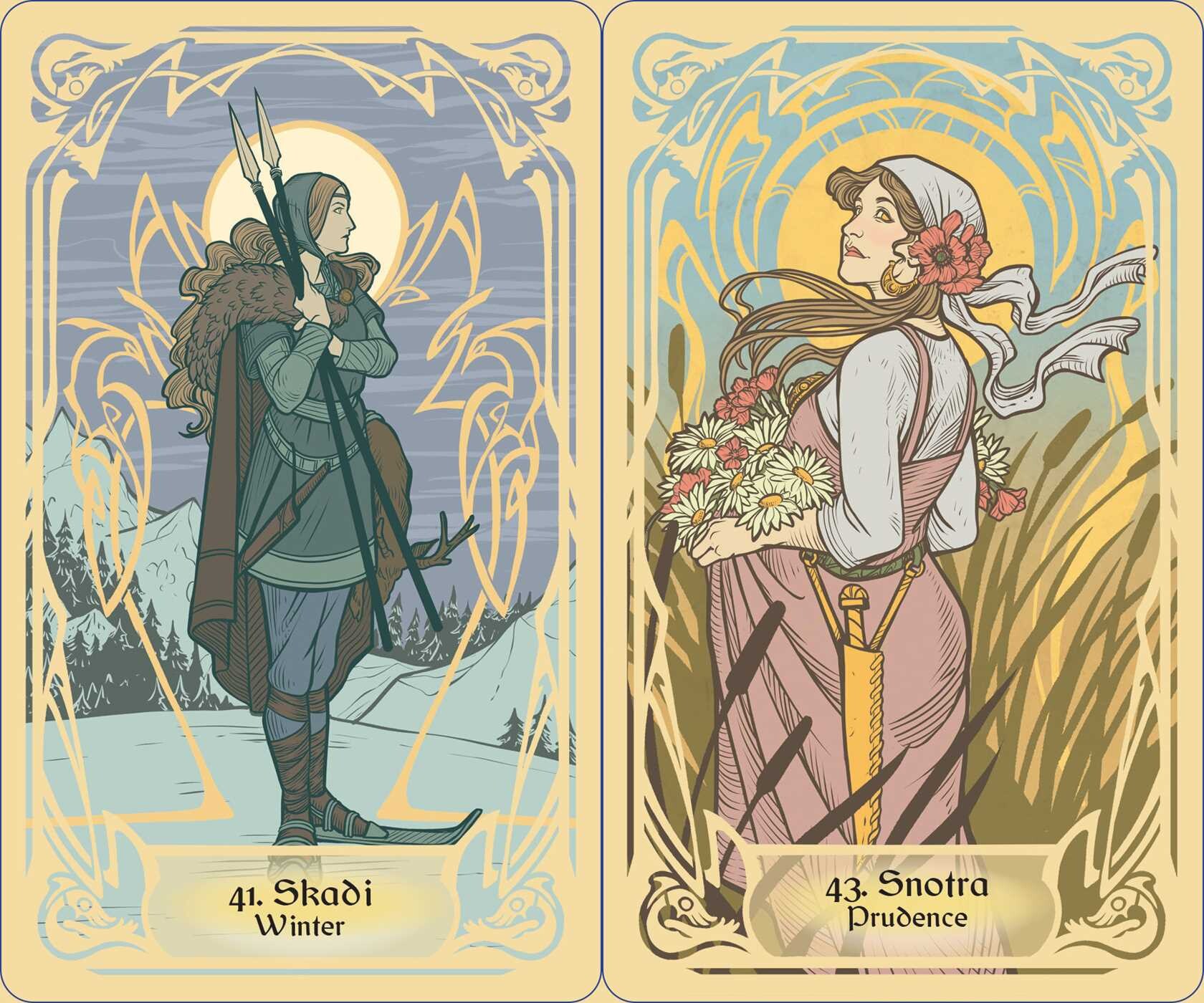
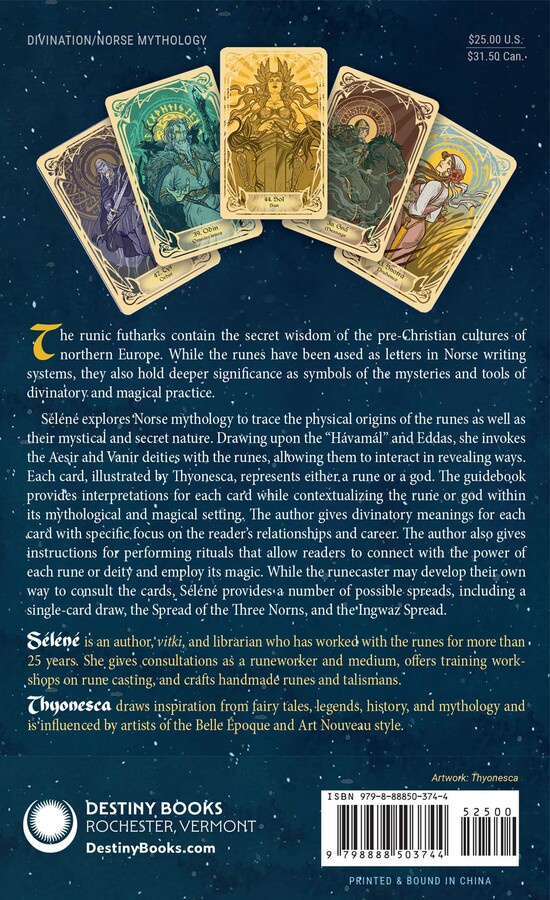
Séléné explores Norse mythology to trace the physical origins of the runes as well as their mystical and secret nature. Drawing upon the “Hávamál” and Eddas, she invokes the Aesir and Vanir deities with the runes, allowing them to interact in revealing ways. Each card, illustrated by Thyonesca, represents either a rune or a god. The guidebook provides interpretations for each card while contextualizing the rune or god within its mythological and magical setting. The author gives divinatory meanings for each card with specific focus on the reader’s relationships and career. The author also gives instructions for performing rituals that allow readers to connect with the power of each rune or deity and employ its magic. While the runecaster may develop their own way to consult the cards, Séléné provides a number of possible spreads, including a single-card draw, the Spread of the Three Norns, and the Ingwaz Spread.
• A full-color 50-card deck that is oriented around the runic alphabet and the Aesir and Vanir deities of the Norse pantheon
• Draws upon the Hávamál and Eddas to give detailed descriptions of the runes, including their origin and meanings
• Gives interpretations for each card, emphasizing their significance for relationships and career advice, and provides rituals and unique card spreads
The runic futharks contain the secret wisdom of the pre-Christian cultures of northern Europe. While the runes have been used as letters in Norse writing systems, they also hold deeper significance as symbols of the mysteries and tools of divinatory and magical practice.
Séléné explores Norse mythology to trace the physical origins of the runes as well as their mystical and secret nature. Drawing upon the “Hávamál” and Eddas, she invokes the Aesir and Vanir deities with the runes, allowing them to interact in revealing ways. Each card, illustrated by Thyonesca, represents either a rune or a god. The guidebook provides interpretations for each card while contextualizing the rune or god within its mythological and magical setting. The author gives divinatory meanings for each card with specific focus on the reader’s relationships and career. The author also gives instructions for performing rituals that allow readers to connect with the power of each rune or deity and employ its magic. While the runecaster may develop their own way to consult the cards, Séléné provides a number of possible spreads, including a single-card draw, the Spread of the Three Norns, and the Ingwaz Spread.
Excerpt
Introduction
There are magical words, Norse words, being whispered at the foot of Yggdrasil, the world tree, whispers that are barely audible to the ear, but which roar in the soul.
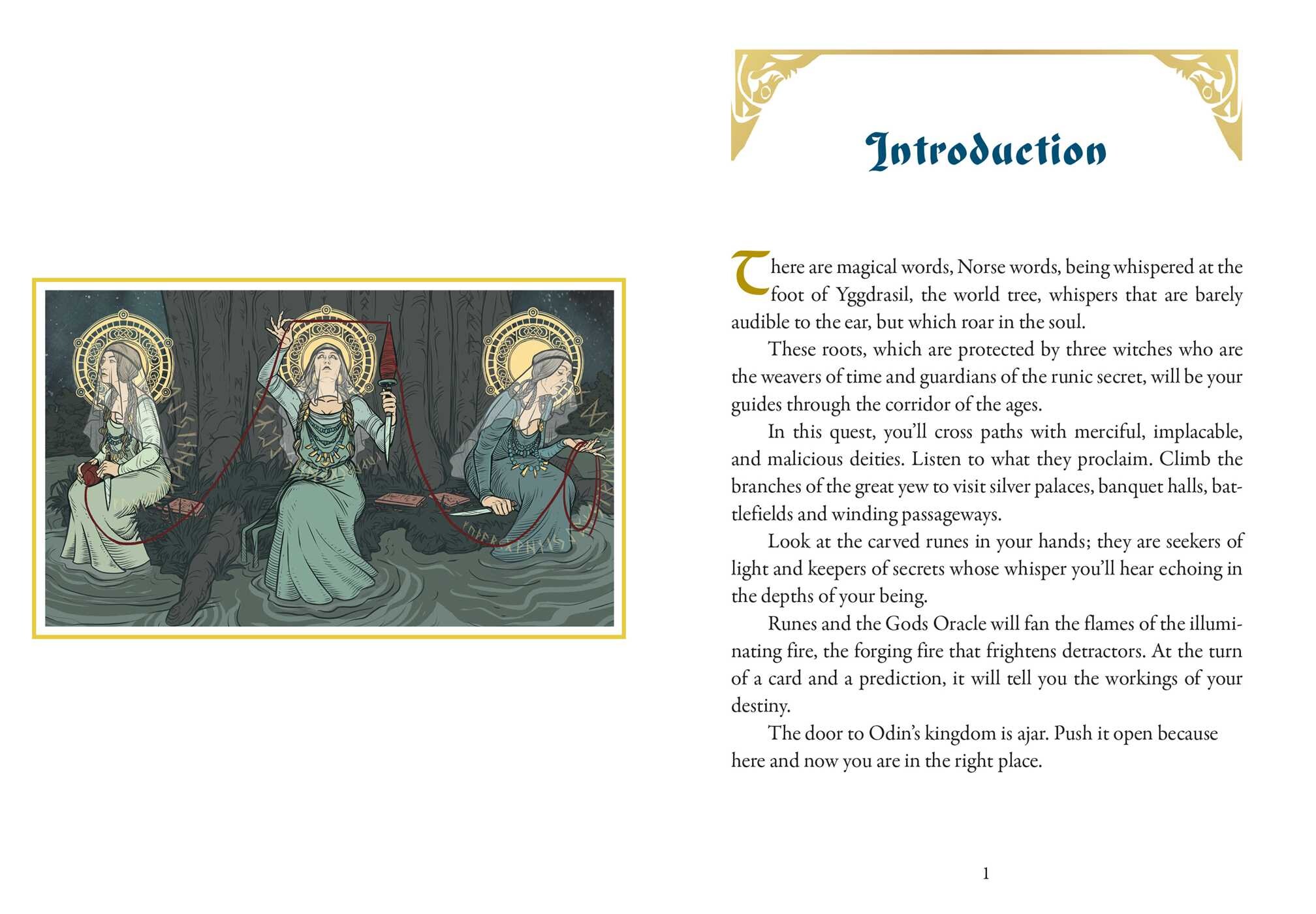
These roots, which are protected by three witches who are the weavers of time and guardians of the runic secret, will be your guides through the corridor of the ages.
In this quest, you’ll cross paths with merciful, implacable, and malicious deities. Listen to what they proclaim. Climb the branches of the great yew to visit silver palaces, banquet halls, battlefields, and winding passageways.
Look at the carved runes in your hands. They are seekers of light and keepers of secrets, whose whisper you’ll hear echoing in the depths of your being.
Runes and the Gods Oracle will fan the flames of the illuminating fire—the forging fire that frightens detractors. At the turn of a card and a prediction, it will tell you the workings of your destiny.
The door to Odin’s kingdom is ajar. Push it open, because here and now, you are in the right place.
The Runes’ Appearance
The runes form an alphabet called the Futhark, named after its first six letters. It is believed to have appeared around the first century CE, for the purpose of giving the population access to writing in order to minimize the loss of knowledge caused by the decline of oral transmission.
Their angular shape reveals the limitations of the rather difficult support materials on which they were carved, such as stone, wood, and various everyday objects. Some traces are still turning up today; in 2021, a stone decorated with runes was found during the construction of a railroad line. This work unearthed a grave mound in Norway that held this slab, which is still being studied, and could be the oldest evidence of runes ever discovered. Runic engravings are now estimated to date from between 1 and 250 CE—much earlier than scientists believed until quite recently.
Runes were used as an alphabet from the Viking era through to the Middle Ages, then gradually abandoned for contemporary writing systems.
The Runes in Norse Mythology
Runes have their origins in Norse mythology, which tells of their birth and their magical and divinatory powers. Etymologically, the word rune means “secret” or “whisper.” They are said to possess the knowledge of what was, what is, and what will be.
Written records of the epics of mythology are compiled in the form of poems, in what are today known as the Poetic Edda and Snorri’s Prose Edda:
◆ The Poetic Edda is an anthology of ancient, anony-
mous poems dating from the eighth to the thir-
teenth centuries. The manuscript is believed to have
been compiled in the thirteenth century. This work
is attributed to the Icelandic historian Sæmundur
Sigfússon (1056–1133).
◆ The Prose Edda by Snorri Sturluson (1179–1241),
meanwhile, was written as early as 1220 and is primar-
ily a medieval literary work. This Edda, which could
be considered subjective, provides a clearer picture of
the context and organization of Norse cosmogony,
and remains a source of information.
In one of its poems, the Poetic Edda recounts the appearance of the runes.
Odin, principal god of the divine pantheon, knew of the existence of a hidden, powerful knowledge that he believed would be a true gift to the world. This knowledge seems to have already been used by three prophetesses known as the three Norns. Every day they carved the names and destinies of their unborn children on pieces of bark from the world tree. They represent, respectively, the past, the present, and the future. Despite his pleas, Odin was unable to persuade them to reveal this secret to him, but they did give him directions for a sacrificial quest to gain the ultimate wisdom—that of the runes.
First, he had to go to the well called Mimir.
The well had the reputation of giving knowledge to anyone who drank from it. It was guarded by the decapitated head of the god Mimir.* The latter allowed Odin to drink from it, with the condition that he cast his right eye into the well. Thus mutilated, Odin was able to perceive the future stages of his venture with new lucidity and foresight. For nine days and nights, Odin hung by his feet from a branch of the World Tree, pierced by his own spear. At the end of the ninth day, when he was quite exhausted, the runes appeared on the ground beneath his head. Once released, he was able to pick up the runes with a groan of pain and relief.
Using the Runes
Over the centuries, apart from their utilitarian aspect, runes have been used for magical and divinatory purposes. Some poems in the Edda mention spells, invocations, and runic engravings for magical practice. A poem entitled “Hávamál”† recounts some of their possible uses. This prose refers to the god Odin, the power of runes and how they should be carved, colored, consecrated, and honored. Another poem in the Eddas tells us that there are runes for beer, for the bold, for healers and midwives, and so forth. A class of priestesses, called Völva, were reputed to have recourse to Norse magic and to use runes as a tool for divination.
In the Middle Ages, runes were used for magical purposes, giving them a reputation as dangerous. Today, however, they are accepted and recognized as divinatory tools.
Each of the 24 letters of the alphabet represents singular notions, vibrant energy, and unrivalled insight. They hold centuries of stories and egregores, giving them a powerful magic. They could be described as “entities in their own right,” for runes constitute a living and sometimes mischievous oracle. Their millennial roots imbue them with a rich energy, enhancing their ability to adapt to any current question.
Gods and Goddesses
Aesir and Vanir
The Norse gods and goddesses are divided into two families.
The Aesir live in the kingdom of Asgard and are considered to be the main deities of the pantheon. Among them are Odin and Thor.
The Vanir live in the kingdom of Vanaheim and are considered minor deities. They have powers of prescience, fertility, and so forth. In short, they are more oriented towards magic and everyday life. Among them are the gods Freyr and Njörd.
This classification tends to denote the difference between “major” attributes, such as war and lightning, and those more focused on the sensory aspect of the world. This categorization did not prevent people from worshipping “minor deities” as they were much closer to their daily lives.
Cosmogony
In the beginning, nothing existed but a giant named Ymir, born from the meeting of fire and ice. His only companion was a cow named Audhumla, who fed him with the rivers of milk that gushed from her udders.
From his sweat, Ymir begat new creatures, thus conceiving the race of giants. A world began to take shape, populated by giants, followed by the birth of the first gods.
Audhumla, licking the ice around her, gave birth to the god Buri, the eldest of the divine line, and the ancestor of the god Odin.
As time went by, giants and gods rubbed shoulders, tensions arose, territories were claimed, and forces clashed. War broke out between the two dynasties. Odin came into conflict with Ymir, whose difficult character irritated the god and triggered his demise. Ymir was slain, and Odin used the remains of his body to shape the world.
The cosmogony of Norse mythology revolves around a tree known as Yggdrasil. At its heart are nine realms, created by Odin himself. From the heavens to its roots, the nine realms are guarded by deities and creatures with their own roles to play in the epics, the destiny of all living beings, and the final battle of Ragnarök.*
The Nine Realms
Asgard: the kingdom of the Aesir
Vanaheim: kingdom of the Vanir
Alfheim: kingdom of the light elves
Midgard: the kingdom of men
Jotunheim: kingdom of the giants
Svartalfheim: kingdom of the dark elves
Niflheim: the realm of mist
Muspelheim: the kingdom of fire
Helheim: realm of the dead
How to Use the Runes and the Gods Oracle
The oracle of runic wisdom is a powerful ally that will help you find your way along wooded paths, while at the same time allowing you to gain perspective by seeing what’s above the trees. Wise and prescient, it will accompany you in all your questions, your desires for growth, and your need to understand your own inner workings. Both gods and runes will assist you in this quest.
There are magical words, Norse words, being whispered at the foot of Yggdrasil, the world tree, whispers that are barely audible to the ear, but which roar in the soul.
These roots, which are protected by three witches who are the weavers of time and guardians of the runic secret, will be your guides through the corridor of the ages.
In this quest, you’ll cross paths with merciful, implacable, and malicious deities. Listen to what they proclaim. Climb the branches of the great yew to visit silver palaces, banquet halls, battlefields, and winding passageways.
Look at the carved runes in your hands. They are seekers of light and keepers of secrets, whose whisper you’ll hear echoing in the depths of your being.
Runes and the Gods Oracle will fan the flames of the illuminating fire—the forging fire that frightens detractors. At the turn of a card and a prediction, it will tell you the workings of your destiny.
The door to Odin’s kingdom is ajar. Push it open, because here and now, you are in the right place.
The Runes’ Appearance
The runes form an alphabet called the Futhark, named after its first six letters. It is believed to have appeared around the first century CE, for the purpose of giving the population access to writing in order to minimize the loss of knowledge caused by the decline of oral transmission.
Their angular shape reveals the limitations of the rather difficult support materials on which they were carved, such as stone, wood, and various everyday objects. Some traces are still turning up today; in 2021, a stone decorated with runes was found during the construction of a railroad line. This work unearthed a grave mound in Norway that held this slab, which is still being studied, and could be the oldest evidence of runes ever discovered. Runic engravings are now estimated to date from between 1 and 250 CE—much earlier than scientists believed until quite recently.
Runes were used as an alphabet from the Viking era through to the Middle Ages, then gradually abandoned for contemporary writing systems.
The Runes in Norse Mythology
Runes have their origins in Norse mythology, which tells of their birth and their magical and divinatory powers. Etymologically, the word rune means “secret” or “whisper.” They are said to possess the knowledge of what was, what is, and what will be.
Written records of the epics of mythology are compiled in the form of poems, in what are today known as the Poetic Edda and Snorri’s Prose Edda:
◆ The Poetic Edda is an anthology of ancient, anony-
mous poems dating from the eighth to the thir-
teenth centuries. The manuscript is believed to have
been compiled in the thirteenth century. This work
is attributed to the Icelandic historian Sæmundur
Sigfússon (1056–1133).
◆ The Prose Edda by Snorri Sturluson (1179–1241),
meanwhile, was written as early as 1220 and is primar-
ily a medieval literary work. This Edda, which could
be considered subjective, provides a clearer picture of
the context and organization of Norse cosmogony,
and remains a source of information.
In one of its poems, the Poetic Edda recounts the appearance of the runes.
Odin, principal god of the divine pantheon, knew of the existence of a hidden, powerful knowledge that he believed would be a true gift to the world. This knowledge seems to have already been used by three prophetesses known as the three Norns. Every day they carved the names and destinies of their unborn children on pieces of bark from the world tree. They represent, respectively, the past, the present, and the future. Despite his pleas, Odin was unable to persuade them to reveal this secret to him, but they did give him directions for a sacrificial quest to gain the ultimate wisdom—that of the runes.
First, he had to go to the well called Mimir.
The well had the reputation of giving knowledge to anyone who drank from it. It was guarded by the decapitated head of the god Mimir.* The latter allowed Odin to drink from it, with the condition that he cast his right eye into the well. Thus mutilated, Odin was able to perceive the future stages of his venture with new lucidity and foresight. For nine days and nights, Odin hung by his feet from a branch of the World Tree, pierced by his own spear. At the end of the ninth day, when he was quite exhausted, the runes appeared on the ground beneath his head. Once released, he was able to pick up the runes with a groan of pain and relief.
Using the Runes
Over the centuries, apart from their utilitarian aspect, runes have been used for magical and divinatory purposes. Some poems in the Edda mention spells, invocations, and runic engravings for magical practice. A poem entitled “Hávamál”† recounts some of their possible uses. This prose refers to the god Odin, the power of runes and how they should be carved, colored, consecrated, and honored. Another poem in the Eddas tells us that there are runes for beer, for the bold, for healers and midwives, and so forth. A class of priestesses, called Völva, were reputed to have recourse to Norse magic and to use runes as a tool for divination.
In the Middle Ages, runes were used for magical purposes, giving them a reputation as dangerous. Today, however, they are accepted and recognized as divinatory tools.
Each of the 24 letters of the alphabet represents singular notions, vibrant energy, and unrivalled insight. They hold centuries of stories and egregores, giving them a powerful magic. They could be described as “entities in their own right,” for runes constitute a living and sometimes mischievous oracle. Their millennial roots imbue them with a rich energy, enhancing their ability to adapt to any current question.
Gods and Goddesses
Aesir and Vanir
The Norse gods and goddesses are divided into two families.
The Aesir live in the kingdom of Asgard and are considered to be the main deities of the pantheon. Among them are Odin and Thor.
The Vanir live in the kingdom of Vanaheim and are considered minor deities. They have powers of prescience, fertility, and so forth. In short, they are more oriented towards magic and everyday life. Among them are the gods Freyr and Njörd.
This classification tends to denote the difference between “major” attributes, such as war and lightning, and those more focused on the sensory aspect of the world. This categorization did not prevent people from worshipping “minor deities” as they were much closer to their daily lives.
Cosmogony
In the beginning, nothing existed but a giant named Ymir, born from the meeting of fire and ice. His only companion was a cow named Audhumla, who fed him with the rivers of milk that gushed from her udders.
From his sweat, Ymir begat new creatures, thus conceiving the race of giants. A world began to take shape, populated by giants, followed by the birth of the first gods.
Audhumla, licking the ice around her, gave birth to the god Buri, the eldest of the divine line, and the ancestor of the god Odin.
As time went by, giants and gods rubbed shoulders, tensions arose, territories were claimed, and forces clashed. War broke out between the two dynasties. Odin came into conflict with Ymir, whose difficult character irritated the god and triggered his demise. Ymir was slain, and Odin used the remains of his body to shape the world.
The cosmogony of Norse mythology revolves around a tree known as Yggdrasil. At its heart are nine realms, created by Odin himself. From the heavens to its roots, the nine realms are guarded by deities and creatures with their own roles to play in the epics, the destiny of all living beings, and the final battle of Ragnarök.*
The Nine Realms
Asgard: the kingdom of the Aesir
Vanaheim: kingdom of the Vanir
Alfheim: kingdom of the light elves
Midgard: the kingdom of men
Jotunheim: kingdom of the giants
Svartalfheim: kingdom of the dark elves
Niflheim: the realm of mist
Muspelheim: the kingdom of fire
Helheim: realm of the dead
How to Use the Runes and the Gods Oracle
The oracle of runic wisdom is a powerful ally that will help you find your way along wooded paths, while at the same time allowing you to gain perspective by seeing what’s above the trees. Wise and prescient, it will accompany you in all your questions, your desires for growth, and your need to understand your own inner workings. Both gods and runes will assist you in this quest.
About The Illustrator
Thyonesca draws inspiration from fairy tales, legends, history, and mythology and is influenced by artists of the Belle Époque and Art Nouveau style.
Product Details
- Publisher: Destiny Books (June 30, 2026)
- Length: 240 pages
- ISBN13: 9798888503744
Browse Related Books
Raves and Reviews
“Runes and the Gods Oracle presents the runes as tools for self-awareness in today’s complex world by combining the traditional understanding of runic symbols with the wisdom of various Norse deities, thus expanding this oracle deck’s divinatory reach.”
– Anu Dudley, author of The Goddess Casts the Runes
Resources and Downloads
High Resolution Images
-
Book Cover Image (jpg): Runes and the Gods Oracle
Cards 9798888503744